Introduction to Fly Tying
What is Fly Tying?
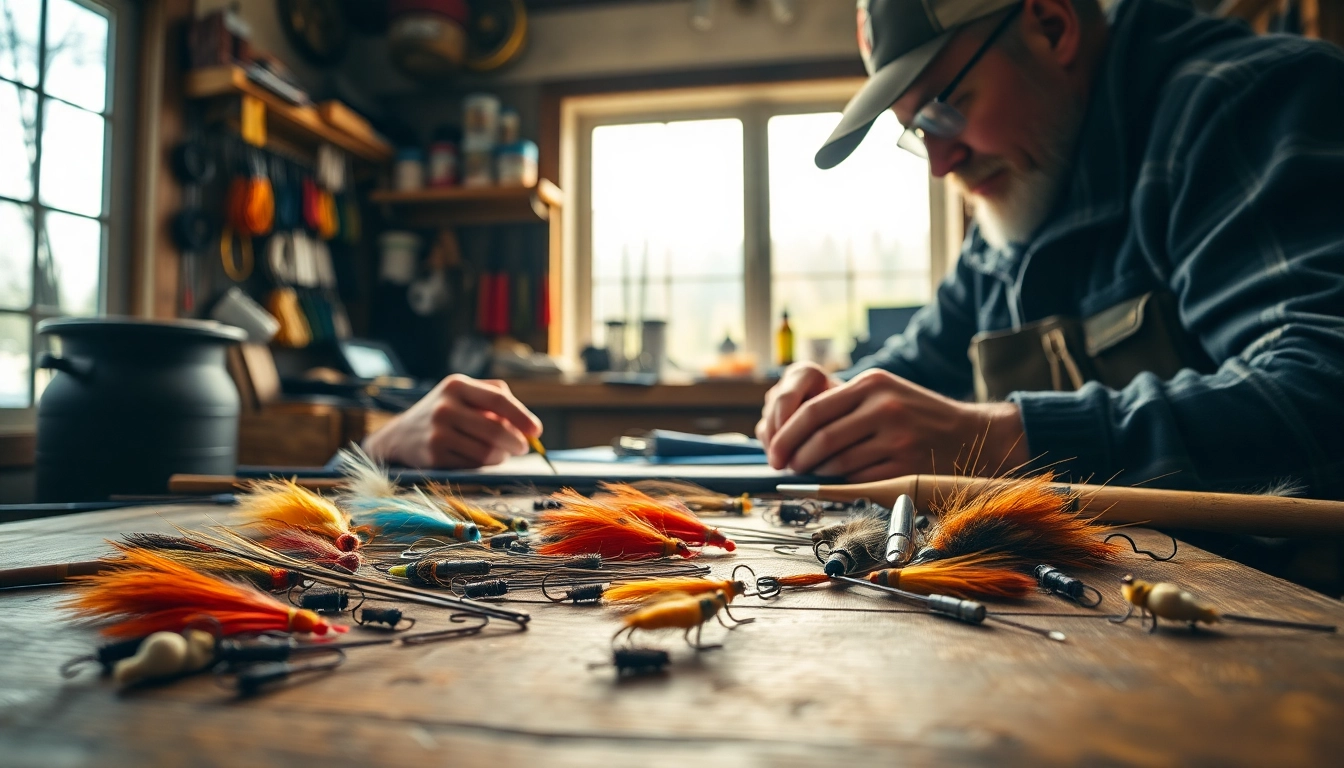
Fly tying is a highly skilled art that involves creating artificial flies to attract fish during fly fishing. These artificial flies simulate the appearance and movement of aquatic creatures, such as insects or small fish, making them an essential component of the fly angler’s arsenal. The process combines creativity, technique, and understanding of fish behavior. Through fly tying, enthusiasts can craft unique patterns tailored to specific fishing environments and species.
History of Fly Tying
The origins of fly tying can be traced back centuries, with historical records indicating that it was practiced as far back as the Roman Empire. Early fly tiers used materials available in nature, such as feathers, fur, and silk, to create realistic patterns. The craft evolved significantly during the 19th century with innovations in materials and techniques, leading to the diverse range of patterns we see today. Key figures in fly tying history, such as Walter Baker and Carrie Stevens, helped popularize the craft through their iconic patterns.
Importance in Fishing
Understanding fly tying is crucial for successful fly fishing. The ability to create custom flies enables anglers to match local hatch conditions and target specific species effectively. Additionally, tying your own flies can be a cost-effective alternative to purchasing commercially made flies, allowing enthusiasts to develop a deeper connection to their fishing practice. By crafting flies that mimic the local aquatic life, anglers can increase their chances of success on the water.
Essential Tools for Fly Tying
Basic Fly Tying Kits
Getting started with fly tying requires a basic kit, which typically includes essential tools such as a vise, scissors, bobbins, and a whip finisher. A fly tying vise holds the hook securely in place while you work on your fly, enabling precision and ease. Basic kits can often be purchased as bundled sets, which is ideal for beginners looking to explore this hobby without overwhelming initial costs.
Advanced Tools for Professionals
As tiers progress in skill and complexity, they may invest in advanced tools. These can include specialized vises, quality scissors with fine blades for detailed work, rotary vises for enhanced manipulation, and material storage solutions for organization. Furthermore, tools like dubbing needles and hackle pliers assist in creating intricate designs. Having the right tools streamlines the process and enhances the overall quality of the flies produced.
Maintaining Your Tools
Proper maintenance of your fly tying tools is integral to their longevity and performance. Regular cleaning after use prevents build-up of materials that can affect functionality. For instance, lubricating the rotating parts of a vise ensures smooth operation, while keeping scissors sharp improves cutting precision. Storing tools in a dedicated fly tying box will protect them from wear and damage.
Materials Used in Fly Tying
Natural vs. Synthetic Materials
Fly tying materials can be categorized into natural and synthetic options, each offering unique characteristics. Natural materials, like feathers and fur, provide a realistic appearance but may have limitations in durability and availability. Conversely, synthetic materials, such as nylon and polyester, are often more durable and come in a variety of colors, though they can lack the lifelike motion that natural materials provide. Choosing the right type depends on the intended pattern and targeted fish species.
Choosing the Right Hook
The hook is a critical component of any fly, impacting not only how the fly presents in the water but also its ability to hook fish. Several factors should be considered when selecting hooks, including size, shape, and strength. For instance, smaller hooks may be needed for delicate patterns targeting trout, while larger, sturdier hooks are essential for ambitious species like bass. Match the hook to the materials used for tying and the fishing conditions to ensure optimal performance.
Color and Texture Considerations
Color and texture are crucial in fly tying because they influence how fish perceive the artificial flies. Bright flashy colors can attract attention in murky waters, while subtle tones are more effective in clear conditions. Texture also plays a role in mimicking the natural prey. For example, using materials with movement can mimic the appearance of live insects. Always consider the environment and typical prey animals when selecting colors and textures to maximize effectiveness.
Fly Tying Techniques for Beginners
Basic Knots and Methods
Beginners should start with essential knots, such as the clinch knot or loop knot, which are fundamental for securing flies to the leader line. Learning these basic knots is critical, as they directly affect the reliability of your setup. Additionally, mastering the fundamental tying techniques—such as wrapping thread and attaching materials—is necessary for creating solid flies. The strength and appearance of your knots can have a direct impact on your overall fishing success.
Creating Your First Fly
When creating your first fly, consider starting with a simple pattern like the Woolly Bugger or Adams Dry Fly. These patterns are forgiving for beginners and incorporate the foundational techniques of fly tying. Begin by following step-by-step instructions and focusing on consistency in thread tension and material placement, which are crucial for producing flies that perform well. As you gain confidence, gradually tackle more complex patterns and techniques.
Common Mistakes to Avoid
Beginners often encounter pitfalls in fly tying, such as using too much thread tension, which can break the thread, or failing to secure materials adequately. Another common mistake is neglecting to consider proportions, leading to flies that are unbalanced and less effective. Taking your time to understand each step, practicing regularly, and seeking feedback from more experienced tiers can help avoid these errors and improve your skills.
Advanced Fly Tying Strategies
Custom Fly Patterns
As tiers advance, developing custom fly patterns becomes an exciting challenge. Customization allows anglers to create flies that mimic the local hatch more precisely or to address specific fishing conditions. Incorporating unique materials or techniques can generate a distinct presentation on the water. Observation and experimentation are vital in refining these custom patterns, and keeping a journal of successful flies can aid in development.
Innovative Techniques to Try
Advanced tiers often explore innovative techniques like using UV resin for coating flies or experimenting with multi-layered bodies and materials that create movement, adding to realism. Techniques such as the “jigging” method can also produce appealing action in the water. Creativity in mixing traditional tying methods with modern materials opens doors for creating highly effective flies.
Assessing Fly Performance on Water
Testing flies on the water is vital for understanding their effectiveness. Observe how the fly behaves in various water conditions—testing buoyancy, drift, and visibility. Adjustments can be meticulously made to adapt for floatation or sinking rates by tweaking materials and hook types. A systematic approach to testing ensures that only the best-performing flies are refined and used in a fishing scenario.
Frequently Asked Questions
What tools do I need to start fly tying?
To begin fly tying, you need a vise, scissors, a bobbin, thread, and a whip finisher. Basic kits often contain these items and can facilitate your initial learning process.
Can I use both natural and synthetic materials?
Yes, you can use both types of materials in fly tying. Many tiers blend natural and synthetic materials to create effective and visually appealing flies.
How long does it take to learn fly tying?
The learning curve varies, but beginners can generally tie simple flies within a few sessions. Mastery and complexity develop over time with practice and experience.
What is the best fly for beginners?
Simple patterns such as the Woolly Bugger or Adams Dry Fly are excellent for beginners. They help newcomers familiarize themselves with the tying process while still being effective in the water.
How can I improve my fly tying skills?
Improving your fly tying skills involves regular practice, studying techniques, and getting constructive feedback. Consider joining local fly tying groups or online forums for shared experiences.