
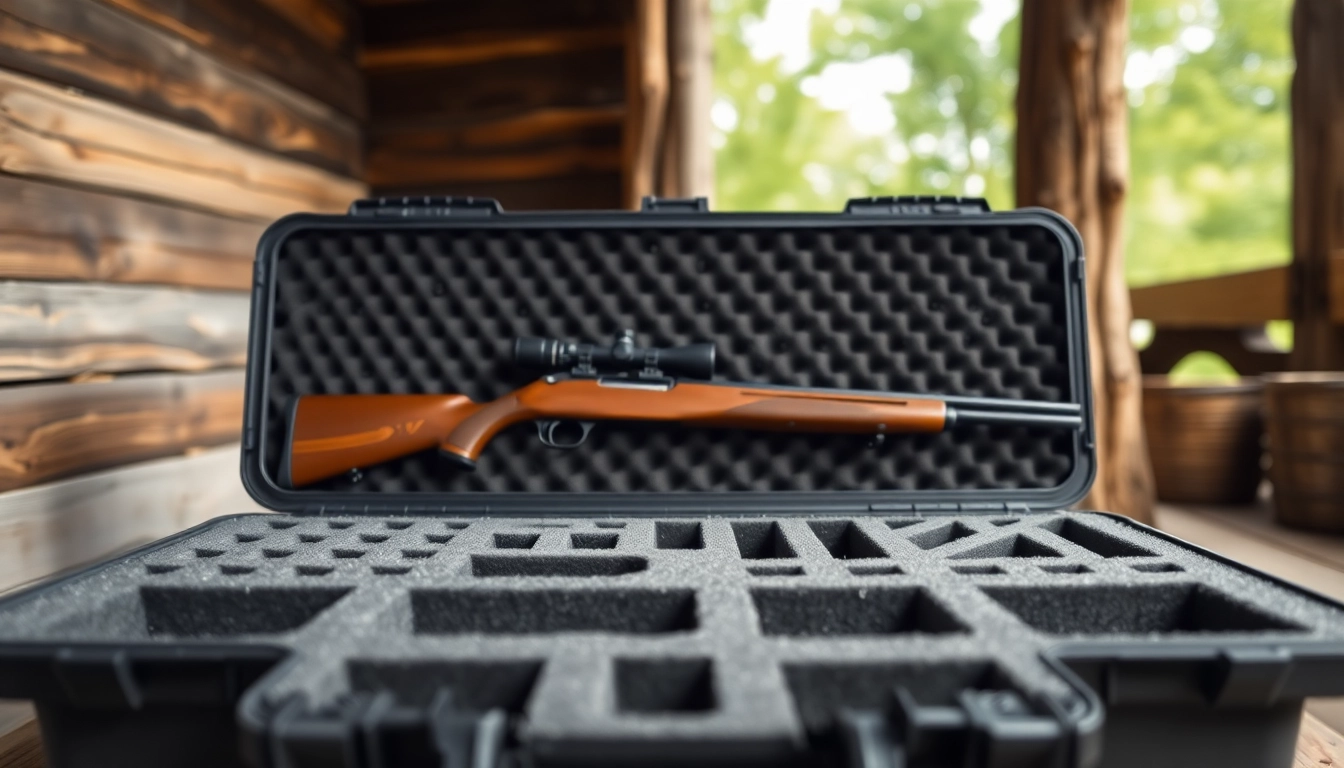
Understanding Foam for Rifle Case
What is Foam for Rifle Case?
Foam for rifle case is a specialized cushioning material designed to protect firearms during transport and storage. It serves as the middle layer between the rifle and the case, designed to absorb shocks and impacts, thus preserving the integrity of the firearm. By customizing the foam, users ensure that their rifles fit securely within the case, minimizing movement and exposure to potentially damaging conditions. The right foam for rifle case is essential for maintaining optimal functionality and appearance of firearms.
Types of Foam for Rifle Cases
When selecting foam for rifle cases, it is crucial to be aware of the different types available, each offering unique attributes:
- Polyurethane Foam: This is a popular choice due to its excellent cushioning ability and affordability. It can be cut to fit custom shapes, making it versatile for various firearm models.
- EVA Foam: Ethylene-vinyl acetate foam is known for its flexibility and durability. It’s water-resistant, making it a highly desirable option for outdoor enthusiasts.
- Polyethylene Foam: Denser than polyurethane, polyethylene provides superior impact resistance and is often used in high-end protective cases. It’s also resistant to abrasion.
- Memory Foam: While not as commonly used for firearms, memory foam can be beneficial for cushioning in softer cases. It molds to the shape of the rifle, providing a snug fit.
- Closed-Cell Foam: This type is incredibly durable and resistant to moisture, chemicals, and heat. It is perfect for protecting against environmental factors.
Benefits of Using Foam for Rifle Case
The right foam significantly enhances the protective qualities of a rifle case. Some key benefits include:
- Protection: Foam absorbs shock, preventing damage from drops or impacts, ensuring the rifle is well-protected during travel.
- Custom Fit: Users can create precise cutouts for their specific firearm and accessories, enhancing organization and accessibility.
- Lightweight: Foam is generally lighter than other materials, allowing for easy transport without adding unnecessary weight to the rifle case.
- Moisture Resistance: Certain foams, like closed-cell varieties, help keep moisture away from the firearm, reducing the risk of rust and corrosion.
- Cost-Effectiveness: Foam solutions can be less expensive than other protective materials while offering adequate protection and durability.
Factors to Consider When Choosing Foam
Material Durability and Protection
The durability of foam material should be a priority when selecting the right option for a rifle case. High-density foams generally provide better protection and longer life expectancy than lower-density varieties. Consider your usage patterns: is it for occasional trips to the range or regular transport for hunting? Heavier usage demands stronger, more durable foam that can withstand repeated impacts.
Foam Density and Compression
Foam density refers to how tightly packed the foam particles are. Higher density typically offers better support and impact resistance but may feel heavier. Compression is the ability of foam to recover its shape after being compressed. A good foam will return to its original shape to continually protect your firearm, irrespective of how many times it has been compressed. For rifle cases, it’s recommended to choose a medium to high-density foam that balances comfort and impact protection.
Cutting Techniques for Custom Fit
Custom fitting via cutting techniques is essential to ensure the foam properly accommodates the rifle and its accessories. The most common methods include:
- Convoluted Cutting: Also known as egg-crate cutting, this technique creates peaks and valleys in the foam, enhancing cushioning and shock absorption.
- Die-Cutting: A precise method where specific shapes are cut using a die, perfect for intricate designs and multiple accessories.
- Hand Cutting: Ideal for one-off customizations, using specialized knives or tools to carve out foam as needed.
Customization Options for Foam Inserts
Pre-Cut vs. Custom Solutions
Pre-cut foam inserts are designed with common firearm shapes and sizes in mind, which can be a cost-effective, time-saving option for many users. However, they might not provide the most secure fit for less common models. Custom solutions, while often more expensive, precisely fit the shape of your firearm, ensuring maximum protection and preventing any movement during transport. Customization also allows for additional cutouts for scopes or magazines.
Color and Aesthetic Considerations
While functionality is paramount in foam selection, aesthetics can also play a role, especially for those displaying their rifles at competitions or shows. Available in multiple colors and finishes, foam can be chosen to create an appealing visual presentation while still providing the necessary protection. Incorporate colors that complement the rifle case, adding a personal touch to your equipment.
Accessories for Added Functionality
Enhancing the functionality of your foam inserts is possible through various accessories. Consider adding:
- Zippers and Closures: These can provide added security, ensuring that the rifle and all accessories remain firmly in place.
- Pockets or Pouches: Cutouts for storing cleaning kits, tools, or ammunition can help keep everything organized during transport.
- Adjustable Dividers: Allowing users to segment the interior space can add flexibility and enhanced protection for multiple firearms or scopes.
Maintenance and Care for Foam Inserts
Cleaning Techniques and Best Practices
Maintaining the condition of foam inserts is crucial for long-lasting performance. Regular cleaning helps prevent dust buildup, which can damage firearms over time. The best practices include using a vacuum or soft brush to remove dust and a damp cloth for deeper cleaning. Avoid harsh chemicals and ensure the foam is thoroughly dry before placing it back in the case.
Storage Tips for Longevity
Proper storage of foam inserts is critical to prolong their useful life. Store your rifle case in a climate-controlled environment to avoid extreme temperature fluctuations that could degrade the foam. If possible, lay the case flat to prevent any bending or warping of the foam. Utilizing protective covers can also shield from dust and moisture build-up.
Signs of Wear and When to Replace
Identifying when to replace foam inserts is essential for safeguarding firearms. Look for physical signs of wear, such as cracks, tears, or significant compression where the foam no longer rebounds. Moreover, if cushioning appears less effective or the protective aspects degrade, it’s time to replace the foam. Regular inspections can help in timely replacement before substantial damage occurs.
FAQs
What foam is best for rifle cases?
High-density foam provides the best protection and a long lifespan for rifle cases, cushioning against impacts effectively.
How do I choose the right foam thickness?
The foam thickness should complement your rifle’s dimensions, ensuring it fits snugly for maximum protection.
Can I customize the foam cutouts?
Many retailers offer custom cutouts tailored to specific rifle models and accessories to ensure a perfect fit.
How often should I replace my foam inserts?
Routine inspections are vital; replace foam when signs of wear, such as tears or compression, become evident.
Is waterproof foam available for rifle cases?
Yes, certain types of foams are designed to be waterproof, providing enhanced protection for your firearm from moisture.