
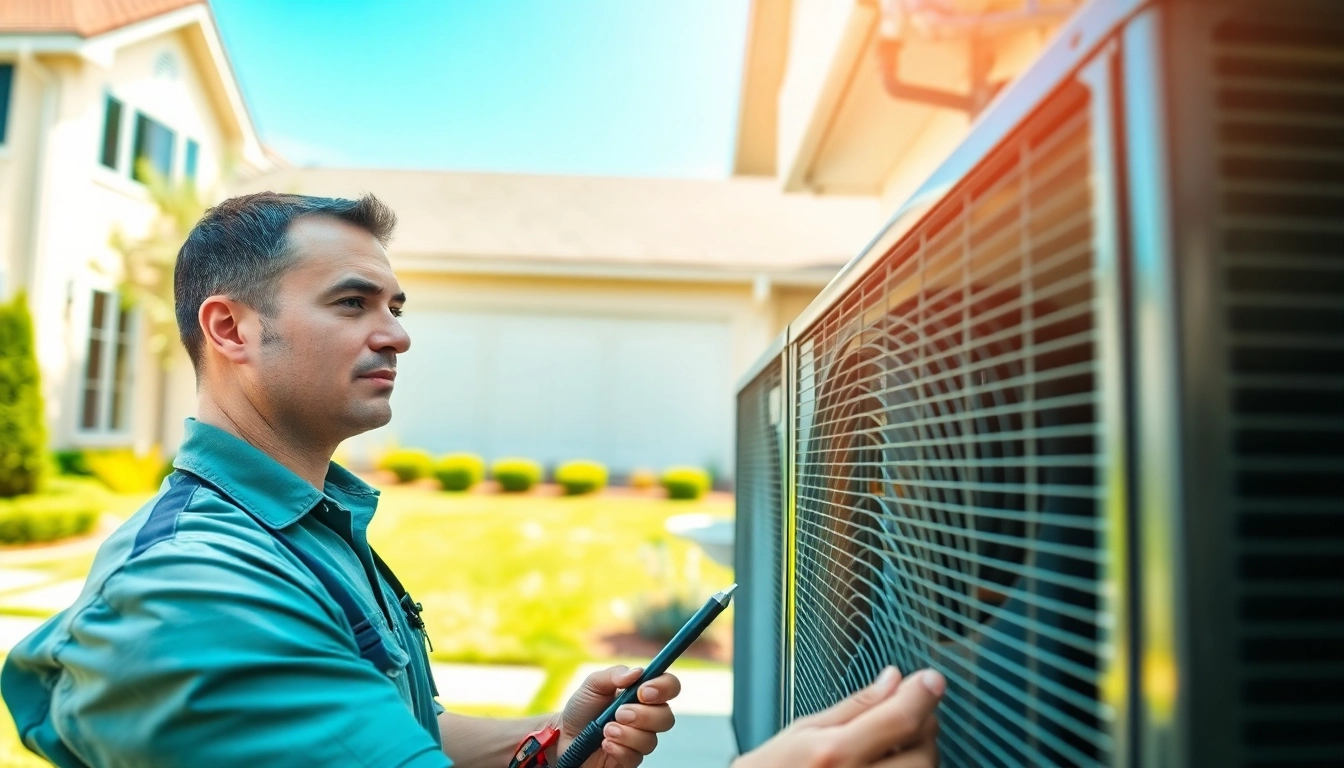
Understanding HVAC Systems
A well-functioning HVAC (Heating, Ventilation, and Air Conditioning) system is vital for maintaining indoor comfort in residential and commercial spaces. HVAC systems regulate temperature, humidity, and air quality, ensuring that occupants remain comfortable throughout varying weather conditions. Understanding the essential components and operational principles of HVAC systems is crucial when selecting an HVAC company canada.
Types of HVAC Systems
There are several types of HVAC systems, each designed to meet different heating and cooling needs:
- Central Air Conditioning Systems: These systems use a ducted system to distribute cooled air throughout the building via vents.
- Heat Pumps: These versatile systems can both heat and cool spaces by transferring heat from one place to another.
- Ductless Mini-Split Systems: Ideal for homes without ductwork, these systems allow for localized heating and cooling.
- Window Air Conditioners: These are standalone units installed in windows, suitable for cooling single rooms.
- Boilers: Used primarily for heating, these systems can be more efficient in colder climates, using hot water or steam.
Components of HVAC Systems
Understanding the main components of an HVAC system helps homeowners and business owners recognize potential issues or areas of improvement:
- Thermostats: Devices that regulate temperature by controlling HVAC operation based on user-set parameters.
- Furnaces: These systems generate heat and distribute it throughout the space, typically using ducts.
- Condensers: Located outside, condensers cool the refrigerant that’s cycled through the system.
- Blower Motors: These components move air through the ducts, ensuring even distribution across spaces.
- Air Filters: Essential for maintaining good air quality, filters trap dust, pollen, and other allergens.
Energy Efficiency Ratings
Energy efficiency is a critical consideration in HVAC systems. Various ratings help consumers make informed decisions:
- SEER (Seasonal Energy Efficiency Ratio): This rating indicates the cooling efficiency of air conditioning systems over a season.
- EER (Energy Efficiency Ratio): Similar to SEER, EER measures efficiency during peak cooling conditions.
- AFUE (Annual Fuel Utilization Efficiency): This percentage indicates how efficiently a furnace converts fuel into usable heat.
- HSPF (Heating Seasonal Performance Factor): This rating applies to heat pumps, assessing their heating efficiency over a season.
Why Choosing the Right HVAC Company Canada Matters
Selecting the right HVAC company is crucial for ensuring that your system is installed, maintained, and repaired correctly. The choice can have a profound impact on both comfort and safety within your environment.
The Impact on Comfort and Safety
HVAC systems play a significant role in indoor comfort. The right company will ensure that the system is correctly sized and installed, avoiding issues like uneven heating or cooling, which can lead to discomfort. Furthermore, improper installation can lead to safety concerns, such as carbon monoxide leaks in improperly vented systems.
Cost Implications of Poor Choices
Choosing an inexperienced or unqualified HVAC company can result in a variety of costly errors. Poor installations can lead to increased energy bills, the need for frequent repairs, or premature system failures, all of which can far exceed initial savings.
Long-term Maintenance and Support
Maintenance is key to the longevity and efficiency of HVAC systems. A reputable company will provide thorough maintenance plans, ensuring optimal performance and extending the life of your system. Long-term support is essential, as problems can arise unexpectedly, and having a reliable company to turn to is invaluable.
How to Evaluate HVAC Companies
Determining the right HVAC company requires careful consideration of several factors to ensure quality service and satisfaction.
Certifications and Qualifications
Always check for the necessary certifications and licenses that indicate a company’s capability and authority to perform HVAC work. Certifications from organizations such as NATE (North American Technician Excellence) or HVAC Excellence demonstrate a commitment to quality and professionalism.
Customer Reviews and Testimonials
Reading reviews and testimonials from previous customers can provide insight into a company’s reliability, professionalism, and quality of work. Platforms such as Google Reviews, Yelp, or Better Business Bureau listings can offer valuable information about customer satisfaction.
Service Offerings and Pricing Structure
Consider the breadth of services offered by an HVAC company, including installation, repair, and maintenance. Additionally, ask for a clear breakdown of pricing to avoid unexpected costs later. A reputable company should provide transparent pricing structures and be willing to answer any queries regarding their services.
Questions to Ask Your HVAC Company Canada
Before signing a contract or moving forward with services, it’s crucial to ask the right questions to ensure you choose the best HVAC company:
Service Guarantees and Warranties
Inquire about service guarantees and warranties. A trustworthy company will stand behind its work, offering warranties on installations and repairs. This not only protects your investment but also reflects the company’s confidence in its services.
Experience with Your System Type
Different HVAC systems have unique requirements and complications. Ensure the company has substantial experience with the specific type of system you have to guarantee effective service and repairs.
Post-Installation Support and Maintenance Plans
Check if the HVAC company offers post-installation support, including maintenance plans. Regular maintenance is essential for extending the life of your system and ensuring it operates efficiently.
Common HVAC Issues and Solutions
Understanding common HVAC issues and their solutions prepares you for inevitable maintenance tasks or repair calls. Here are some frequent problems:
Regular Maintenance Practices
Regular maintenance is necessary to prevent issues in HVAC systems. Key practices include changing air filters, cleaning ducts, and checking refrigerant levels to ensure optimal performance. Scheduling professional maintenance at least once a year can vastly improve the lifespan of your system.
Signs Your HVAC Needs Repair
Be aware of signs indicating your HVAC system requires repair. These may include unusual noises, inconsistent temperatures, increased energy bills, or poor air quality. Prompt assessment of these symptoms can prevent more significant issues down the line.
Emergency Services Availability
Selecting a company that offers emergency service is essential, especially in extreme weather conditions. An HVAC system failure can lead to uncomfortable and potentially unsafe situations, making 24/7 availability a crucial factor in your selection process.
Frequently Asked Questions
1. How often should HVAC systems be serviced?
HVAC systems should be serviced at least once a year to maintain efficiency and catch potential issues early.
2. What are the signs I need a replacement?
If your HVAC is over 15 years old, requires frequent repairs, or isn’t effectively maintaining temperatures, it may need replacement.
3. Are higher-efficiency systems worth the investment?
Yes, higher-efficiency systems can result in substantial energy savings over time, offsetting their initial higher costs.
4. Can I install an HVAC system myself?
While possible, installing an HVAC system requires technical knowledge and adherence to safety standards. It’s advisable to hire a professional.
5. What is the average lifespan of an HVAC system?
Typically, HVAC systems last between 15-25 years, depending on maintenance and usage patterns.
Contact Information
Email: [email protected]
Email: 403-973-0717