
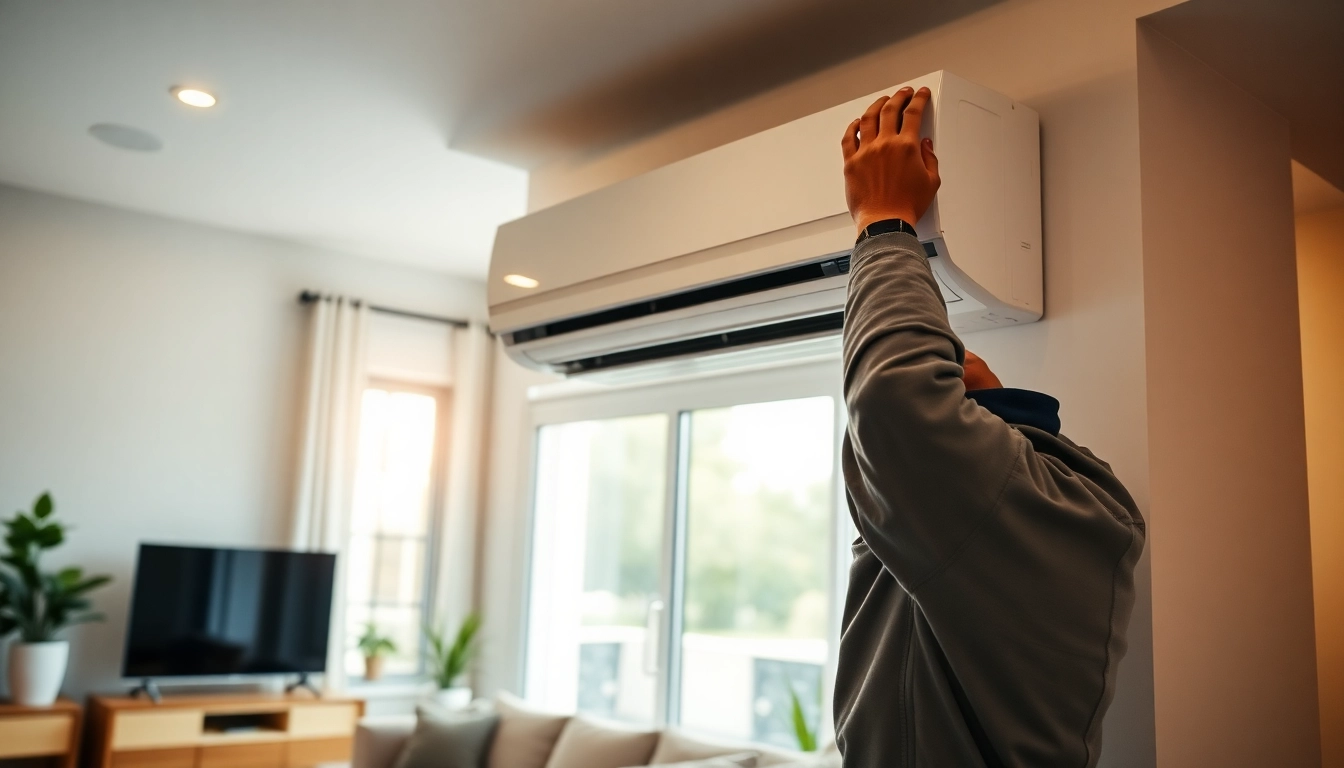
Understanding Ductless Mini-Split Installation
What is Ductless Mini-Split Installation?
Ductless mini-split installation refers to the process of setting up a ductless HVAC system designed to provide both heating and cooling for specific zones within a building. Unlike traditional HVAC systems that rely on ductwork, ductless systems consist of an outdoor condenser unit and one or more indoor air-handling units. This dual setup allows homeowners to control the temperature in different rooms without the complexities involved in duct installation. The installation process typically involves mounting the indoor unit, connecting it to the outdoor unit with refrigerant lines, and ensuring adequate electrical and drainage setups.
How Ductless Systems Work
Ductless mini-split systems operate through a simple yet efficient mechanism. The outdoor unit extracts energy from the air and transfers it to the indoor unit, which then adjusts the temperature of the air distributed throughout the room. The system uses a refrigerant to absorb heat from inside and expel it outside (in cooling mode) or vice versa (in heating mode). This functionality significantly enhances efficiency, as multiple indoor units can be powered by a single outdoor condenser, allowing for more targeted climate control.
Benefits of Ductless Mini-Split System
There are several notable benefits to choosing a ductless mini-split system:
- Energy Efficiency: These systems can significantly reduce energy consumption, making them environmentally friendly and cost-effective.
- Zoning Flexibility: The ability to control temperatures in individual rooms enhances comfort and reduces energy waste.
- Easy Installation: Without the need for ductwork, installations are less invasive and quicker, often completed within a day.
- Quiet Operation: Indoor units are designed to operate quietly, making for a more pleasant living environment.
- Year-Round Comfort: Most ductless mini-split systems provide both heating and cooling, ensuring comfort in all seasons.
Preparing for Installation
Choosing the Right Location
The selection of the location for both the indoor and outdoor units is critical for proper system function. Indoor units should be placed in areas where air can circulate freely, avoiding obstructions like furniture or curtains. The outdoor unit needs to be located in a well-ventilated area, preferably on a solid, level surface that can withstand the elements. Consideration of proximity to power sources and the ability to connect refrigerant lines without too much obstruction or bending is also essential.
Necessary Tools and Equipment
Before starting the installation process, it’s important to gather the necessary tools and equipment. Common tools include a level, drill, stud finder, pipe cutter, tubing bender, and vacuum pump for evacuating refrigerant lines. Additionally, personal protective equipment such as safety glasses and gloves should be used to ensure safety during installation.
Understanding Local Regulations
Local building codes and regulations must be adhered to when installing a ductless mini-split system. This may include obtaining necessary permits, following specific installation guidelines, and ensuring proper electrical setups. It’s prudent to check with local authorities or a licensed contractor to ensure compliance and avoid potential fines.
Steps for Ductless Mini-Split Installation
Installation of the Indoor Unit
The first step in the installation process is to mount the indoor unit. This usually involves marking the wall where the unit will be installed, drilling holes for mounting brackets, and securing the indoor unit to the wall. It’s important to ensure that it is level and at an appropriate height for optimal air circulation. Additionally, minor adjustments can be made to angles to ensure maximum efficiency.
Setting Up the Outdoor Unit
The outdoor unit needs to be positioned securely outside and connected to the indoor unit. This usually involves leveling the outdoor unit on a concrete pad or brackets. Ensure that there is ample space around the unit for proper airflow and maintenance access. It’s crucial to ensure that the refrigerant lines connect properly to prevent leaks, which can affect system efficiency.
Connecting the Refrigerant Lines
Connecting the refrigerant lines is a delicate task requiring precision. Use a pipe cutter to shorten refrigerant lines if necessary, and then bend them with care to avoid kinks. After attaching the lines to both the indoor and outdoor units, they must be pressure tested to ensure that there are no leaks.
Post-Installation Considerations
Testing the System
After the installation, it is crucial to test the system thoroughly. Check for proper operation by turning on the units and verifying that they heat or cool as intended. Monitor the refrigerant levels and check for possible leaks. Additionally, ensure that the drainage system functions without blockage, preventing water damage or mold growth.
Maintenance Tips for Optimal Performance
Regular maintenance is key to ensuring the longevity and efficiency of a ductless mini-split system. Homeowners should clean the filters regularly to optimize airflow and avoid reducing efficiency. Scheduling professional maintenance at least once a year is also recommended to ensure refrigerant levels are optimal and to check for potential issues.
Common Issues and Troubleshooting
Some common issues that homeowners may encounter include uneven temperature distribution, excessive noise, and insufficient heating/cooling. To troubleshoot effectively, check for clogged filters, verify that units are set correctly, and ensure that outdoor units are free from debris. In some situations, consulting a professional is advisable if issues persist.
Frequently Asked Questions
How much does ductless mini-split installation cost?
Costs typically range from $2,000 to $10,500, influenced by the system type, the number of zones, and other installation specifics.
Can I install a ductless mini-split myself?
While DIY installation is possible, it is advised to hire a professional for compliance with safety standards and efficient operation.
What size ductless mini-split do I need?
Proper sizing is essential and is based on the area to be treated. Use a BTU calculator or consult an HVAC professional for the best results.
Do ductless systems require maintenance?
Yes, routine maintenance such as filter cleaning and refrigerant checks is crucial for optimal performance and energy efficiency.
Are ductless mini-splits energy-efficient?
Yes, these systems offer high energy efficiency by cooling or heating specific rooms without the need for extensive ducting, leading to lower energy bills.
Contact Information
Call Us: 651-240-6431
Email: [email protected]
Address: 6080 Oren Avenue N Stillwater, MN 55082