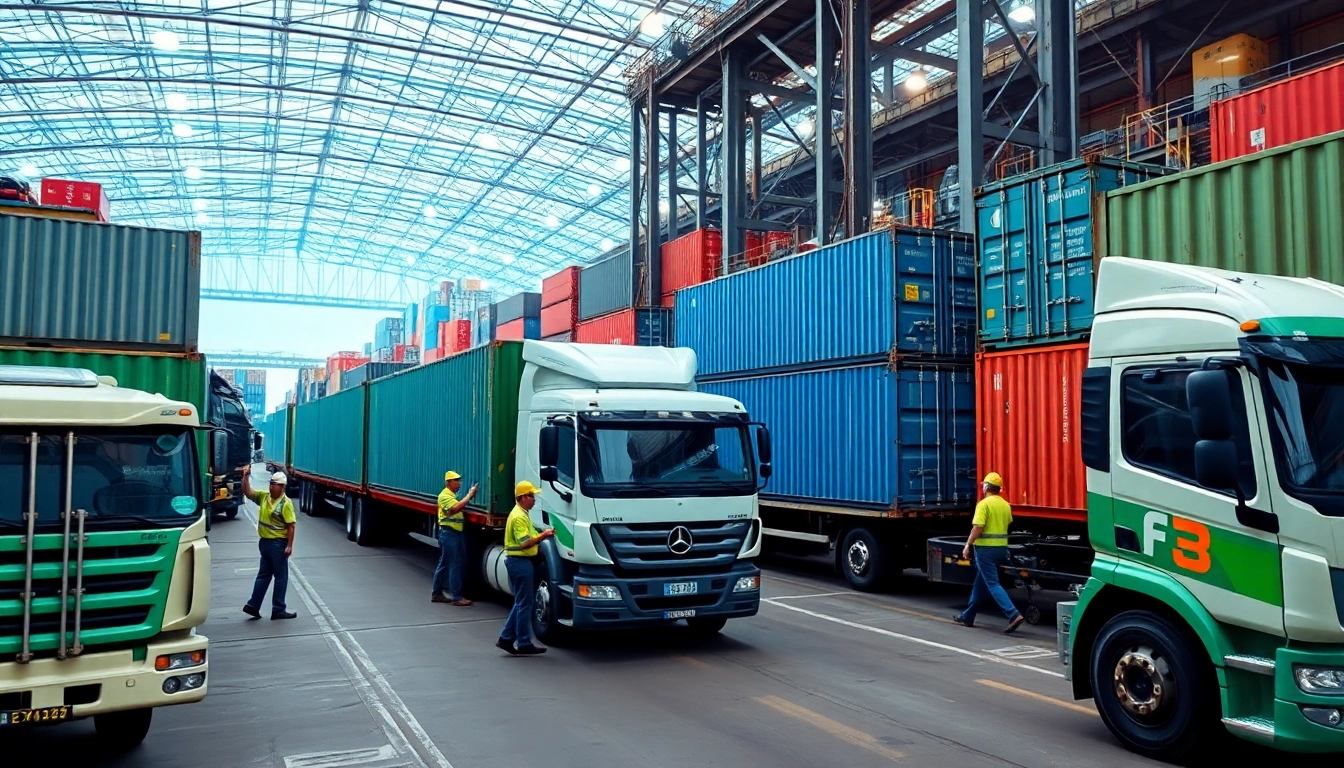
What is Logistics?
Logistics is a critical component of supply chain management and plays a vital role in today's economy. It encompasses the planning, implementation, and control of the efficient flow and storage of goods, services, and related information from the point of origin to the point of consumption. Effective logistics operations ensure that the right products are delivered to the right places at the right times, which is why organizations increasingly turn to advanced logistics solutions to enhance their competitiveness. Understanding the fundamentals of logistics can significantly impact a business's operational efficiency. As organizations navigate complex supply chains, a comprehensive grasp of logistics serves as the backbone for sustained success. To delve deeper into the various aspects of logistics, explore Logistics practices and innovations that can help streamline operations.
Defining Logistics in Business Context
In the business context, logistics refers to the detailed coordination of complex operations involving people, facilities, and supplies. Often associated solely with transportation and distribution, logistics comprises a wider range of activities, including inventory management, warehousing, order fulfillment, and packaging. The primary goal of logistics is to satisfy customer demands by ensuring the efficient flow of goods and services. Companies implement logistics strategies to streamline operations, enhance service quality, and ultimately drive profitability.
The Role of Logistics in Supply Chain Management
Supply chain management is the overarching umbrella that encompasses logistics as one of its key components. Within the supply chain framework, logistics facilitates the planning and execution of supply chain activities, acting as a bridge between different entities involved, such as suppliers, manufacturers, and retailers. This interaction ensures seamless operations, allowing businesses to respond to market demands promptly and effectively. From managing supply sourcing to overseeing product delivery, logistics ensures that there is a continuous flow of information and materials throughout the supply chain.
Importance of Efficient Logistics Operations
The significance of efficient logistics operations cannot be overstated. Efficient logistics systems reduce operational costs, enhance customer satisfaction through timely and accurate deliveries, and improve inventory accuracy. Additionally, well-managed logistics create flexibility, enabling businesses to adapt to changes in demand or supply disruptions. By optimizing logistics, companies can identify and eliminate inefficiencies, which in turn leads to cost savings and competitive advantages.
Types of Logistics
Inbound vs. Outbound Logistics
Logistics can be categorized into two primary types: inbound and outbound logistics. Inbound logistics refers to the processes involved in bringing goods and materials into a company, the management of transportation and storage of raw materials, and the movement of these resources to production facilities. This stage is crucial as it identifies the need for accurate inventory levels and timely delivery to ensure that production schedules are maintained.
Conversely, outbound logistics encompasses the processes involved in distributing finished products to customers, including order processing, warehousing, and transportation. Understanding the difference between these two types of logistics is essential for organizations to manage their supply chains effectively, as inefficiencies in either can disrupt overall business operations.
Third-Party Logistics (3PL) Explained
Third-party logistics (3PL) involves businesses outsourcing logistics services to third-party companies. This approach allows organizations to focus on their core competencies while leveraging the expertise of specialized logistics providers. 3PL services can include transportation, warehousing, and distribution, allowing companies to access scalable solutions tailored to their specific needs.
Numerous benefits arise from utilizing 3PL services, including cost savings, improved service levels, and enhanced agility. By outsourcing logistics, businesses can better manage fluctuating demand and respond to market changes without incurring the overhead costs associated with maintaining an in-house logistics operation.
Integrated Logistics Solutions
Integrated logistics solutions represent a cohesive approach that combines various logistics services into a single, streamlined operation. This model leverages advanced technology and coordinated processes to enhance visibility and control over the entire supply chain. By integrating logistics services, companies can reduce redundancies, improve communication, and foster collaboration among stakeholders.
Businesses that adopt integrated logistics approaches often experience improved inventory management, real-time tracking of shipments, and enhanced customer service capabilities. This holistic form of logistics management is increasingly popular as companies seek greater efficiency and effectiveness in their operations.
Key Benefits of Logistics for Organizations
Cost Reduction through Efficient Logistics
One of the most significant advantages of an efficient logistics operation is cost reduction. By optimizing routes, reducing transportation times, and improving inventory management, organizations can minimize operational expenses. Effective logistics strategies help eliminate waste, reduce excess inventory, and prevent stockouts—leading to significant savings.
Companies employing logistics management tools can greatly enhance their forecasting and planning accuracy, leading to strategic adjustments that cut unnecessary costs. By streamlining processes, organizations can ensure timely deliveries while managing working capital more effectively.
Improving Customer Satisfaction with Logistics
Customer satisfaction is directly tied to logistics performance. Reliable and efficient logistics operations ensure that products reach customers on time and in good condition. In today's market, customers expect rapid delivery times and transparency in tracking their orders. Effective logistics processes enable businesses to meet these expectations, leading to higher customer satisfaction and loyalty.
Organizations that prioritize logistics management are better positioned to respond to customer inquiries and concerns, creating a more positive customer experience. By leveraging technology such as real-time tracking systems, businesses can provide customers with accurate updates on the status of their orders, further enhancing satisfaction.
Logistics as a Competitive Advantage
In a competitive business environment, logistics can serve as a distinctive advantage. Companies capable of delivering products quickly and reliably without compromising cost can significantly outperform their competitors. Strategic logistics management can enable businesses to offer superior value propositions to customers by minimizing lead times and maximizing resource utilization.
For example, companies that integrate advanced technology such as AI and machine learning into their logistics operations can anticipate market demands and optimize their supply chains better than their competitors. By demonstrating commitment to logistics excellence, businesses can build a strong reputation in their markets, attracting more customers and fostering long-term relationships.
Challenges in Logistics Management
Common Issues Facing Logistics Providers
Despite the many benefits of effective logistics management, numerous challenges persist. Suppliers face hurdles such as fluctuating fuel prices, regulatory changes, and capacity constraints, impacting their ability to operate efficiently. For instance, disruptions in the transportation sector can lead to delays in shipments, which may subsequently affect customer satisfaction and overall business performance.
Additionally, global supply chain complexities can create challenges in visibility and tracking. As businesses expand internationally, they encounter diverse regulatory environments, currency fluctuations, and varying customer expectations, adding layers of difficulty to logistics operations.
Technological Challenges in Logistics
The rapid advancement of technology poses both opportunities and challenges in logistics. While technologies such as automation, AI, and IoT improve logistics functions' efficiency and accuracy, they also require substantial investments and ongoing maintenance. Companies may struggle with the adoption of new technologies due to resistance to change or knowledge gaps among their workforce.
Furthermore, cybersecurity risks associated with logistics technology can jeopardize sensitive data, with breaches potentially resulting in significant financial and reputational damage. Organizations must balance the benefits of technology-driven logistics with the need to prioritize security and reliability.
Strategies to Overcome Logistics Challenges
To combat the challenges plaguing logistics management, organizations can adopt several strategies. First, investing in workforce training is essential to ensure that employees are equipped with the skills necessary to leverage new technologies effectively. By fostering a culture of learning, companies can ensure that their logistics operations remain competitive in a rapidly evolving landscape.
Developing strong relationships with logistics partners and suppliers is crucial for navigating supply chain complexities. Close collaboration with key stakeholders enables organizations to establish more reliable networks, ultimately enhancing supply chain performance. Furthermore, leveraging data analytics provides companies with valuable insights into their operations, enabling proactive decision-making and response to emerging challenges.
Future Trends in Logistics
Sustainability in Logistics Practices
Sustainability is rapidly becoming a focal point in logistics management. Businesses increasingly recognize the importance of implementing sustainable practices in their supply chains to reduce environmental impacts. Enhanced interest in eco-friendly logistics includes optimizing transportation methods, reducing packaging waste, and utilizing green technologies.
Companies that prioritize sustainability not only contribute positively to the environment but also enhance their brand image and attract environmentally conscious consumers. Adopting cleaner technologies such as electric vehicles and sustainable materials can result in long-term savings and operational efficiencies.
Impact of Technology on Logistics Operations
Technology will continue to play a pivotal role in shaping logistics operations. Automation is transforming processes, reducing the need for manual labor, and improving efficiency. AI-driven software is increasingly utilized for demand forecasting and inventory management, allowing businesses to make data-informed decisions that enhance their operational effectiveness.
Additionally, the advent of blockchain technology promises to enhance transparency and security within supply chains. By providing a tamper-proof record of transactions, blockchain can significantly reduce the risk of fraud and errors, thereby improving overall supply chain reliability.
Adapting to E-commerce Demands in Logistics
The surge in e-commerce has dramatically influenced logistics demands, necessitating a shift in how logistics providers operate. With customers expecting faster service and real-time tracking of their orders, logistics must adapt to accommodate these expectations while remaining cost-effective. This evolution requires companies to embrace technology that enables rapid processing and distribution of orders while ensuring transparency throughout the delivery process.
Moreover, logistics providers must develop innovative last-mile delivery solutions capable of efficiently reaching consumers in metropolitan areas. As e-commerce continues to grow, logistics will remain a critical component in meeting customer needs and driving business growth in the digital landscape.