
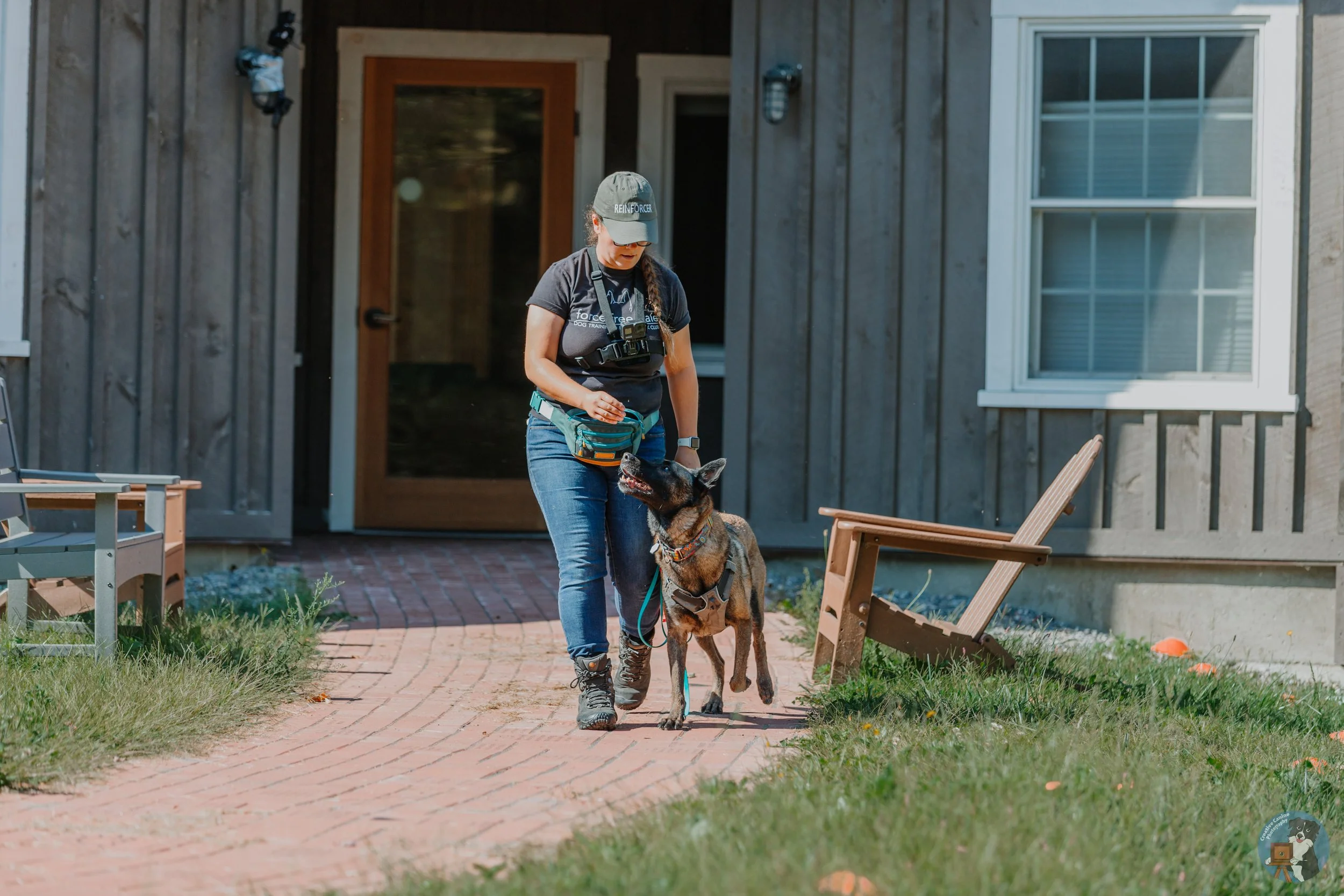
Bringing a new dog into your family is exciting but it also comes with responsibilities that every dog owner should be prepared for. That’s where new dog owner training programs come in. Whether you’re welcoming your first puppy or adopting an older dog, structured training helps build trust, reduce stress, and create a loving bond from day one. In this guest post, we’ll walk through proven strategies, expert tips, and actionable guidance to help new dog owners like you get started with training programs that truly work.
Why Every New Dog Owner Needs a Training Program
Starting with a solid foundation in training is one of the best things you can do for your dog’s behavior and your own peace of mind. Well-designed new dog owner training programs:
- Set clear communication between you and your dog
- Reduce unwanted behaviors such as jumping, pulling, orexcessive barking
- Promote safety at home and in public
- Strengthen social skills with people and other dogs
- Help your dog live a balanced, happy life
Training isn’t just about teaching commands. It’s about communication, trust, and creating routines that make day-to-day life easier and more enjoyable for both you and your dog.
Understanding the Needs of New Dog Owners
Every dog and owner partnership is unique, but most new dog owners face similar challenges, including:
- Establishing routines for feeding, potty training, and sleep
- Setting boundaries and house rules
- Learning clear communication cues
- Managing energy and playtime
- Building confidence and focus
The right training program takes all of these into account by offering structured guidance specifically for the early stages of dog ownership.
What Makes a Training Program Effective?
When evaluating options for new dog owner training programs, look for these key elements:
1. Positive Reinforcement-Based Methods
Training approaches that focus on reward-based learning are proven to be more effective and humane than aversive methods. These programs help dogs learn desired behaviors by reinforcing what they should do instead of punishing what they shouldn’t do.
2. Clear, Consistent Communication
Dogs thrive on consistency. The best programs teach owners how to use consistent cues, timing, and expectations. This clarity helps avoid confusion and accelerates learning.
3. Practical, Everyday Skills
Training shouldn’t be limited to commands that only work in a classroom. Effective programs emphasize real-world application, such as:
- Leash walking in busy environments
- Greeting guests politely
- Settling calmly in the home
- Tolerating handling and grooming
4. Support and Accountability
Training isn’t one-size-fits-all. Programs that offer follow‑up support, coaching, or check‑ins provide owners with accountability and personalized problem‑solving.
How to Choose the Right Training Program
Not all training programs are created equal. Here’s how to find one that’s right for you:
Start with Your Dog’s Age and Personality
- Puppies (8–16 weeks) need gentle introductions to socialization and basic manners
- Adolescents (4–12 months) benefit from structured skill building and impulse control
- Adult dogs may need behavior modification or refreshers on foundational training
Understanding your dog’s developmental stage helps you choose a program that matches their needs.
Ask About Curriculum and Techniques
Before enrolling, consider asking providers:
- What methods do you use?
- Do you offer hands‑on practice for owners?
- How long is the program?
- What happens if training needs extra support?
Programs that provide detailed answers and transparent methods are typically more trustworthy and effective.
Look for Credentials and Reviews
A reputable training program should have:
- Expertise from certified trainers
- Positive client reviews or testimonials
- Clear examples of success stories
Always prioritize programs that demonstrate experience, expertise, and trustworthiness.
Core Training Skills Every New Dog Owner Should Learn
Here’s a breakdown of essential behaviors you can expect to focus on in new dog owner training programs:
1. Name Recognition and Attention
Teaching your dog to focus on you is foundational. Start with short, fun sessions that reward your dog for making eye contact and responding to their name.
Tips:
- Use high‑value treats initially
- Practice in low‑distraction areas
- Gradually increase difficulty
2. Sit and Stay for Control and Calm
The sit and stay commands promote impulse control and prepare your dog for daily routines like mealtime or doorways.
Practice Routine:
- Ask for “sit”
- Reward immediately
- Gradually add duration
- Introduce the “stay” cue
3. Potty Training Routines
Effective potty training is about consistency and timing. Designate specific outdoor areas and use a cue like “go potty” to help your dog connect the behavior with the location.
Helpful Tools:
- Frequent outdoor breaks
- Reward immediately after success
- Keep a potty schedule
4. Loose Leash Walking
Walking politely without pulling is a common challenge. Training your dog to walk beside you builds focus and makes walks safer and more enjoyable.
Training Tips:
- Stop when pulling begins
- Reward when leash is loose
- Change directions to keep attention
5. Socialization Skills
Socialization is crucial, especially for puppies. Safely exposing your dog to different people, places, sights, and sounds helps reduce fear and builds confidence.
Do This:
- Introduce new environments steadily
- Encourage positive experiences
- Avoid overwhelming situations
Setting Yourself Up for Success at Home
Training doesn’t stop after class. Home life is where behaviors truly stick.
Establish a Routine
Dogs benefit from predictability. Set feeding, walk, play, and training times that your dog can anticipate. Routines reduce anxiety and encourage cooperation.
Use Natural Reinforcements
Your dog learns best when training is woven into everyday life. For example:
- Asking for “sit” before meals
- Practicing “leave it” during play
- Using short sessions throughout the day
Short, frequent training sessions keep learning fun and effective.
Track Progress
Keep a simple journal or training log that notes:
- What behavior you worked on
- How your dog responded
- What challenges arose
- What worked best
Tracking helps you adjust training strategies and celebrate improvements.
Common Training Mistakes to Avoid
Even well‑intentioned dog owners can make training errors. Here’s how to avoid them:
Inconsistency
Using different cues or expectations confuses your dog. Consistency is key to reliable behavior.
Impatience
Training takes time. Celebrate small wins instead of expecting perfection overnight.
Too Much Pressure
High‑pressure environments or long sessions can fatigue your dog. Keep sessions short and fun.
Lack of Follow‑Through
Practice beyond classes. Skills must be used across situations to become reliable.
How Rob’s Dog Training Helps New Dog Owners
At Rob’s Dog Training, we specialize in helping new dog owners create confident, well‑mannered companions through thoughtful and effective new dog owner training programs.
Personalized Attention and Support
We recognize that every dog and owner duo is unique. Our programs include:
- Individualized training plans
- Behavioral assessments
- One‑on‑one coaching
- Interactive group classes
Practical Skills for Real Life
We focus on behaviors that matter most, such as:
- Calm greetings and polite manners
- Leadership and cooperation cues
- Leash etiquette and outdoor skills
- Socialization opportunities with other dogs
Our approach empowers owners with the tools, confidence, and communication strategies that build lasting success.
Experienced, Trustworthy Guidance
Our trainers have years of hands‑on experience working with dogs of all ages and temperaments. We emphasize positive reinforcement methods that strengthen the bond between you and your dog.
Frequently Asked Questions About Dog Training Programs
How early should I start training my new dog?
Training should begin as soon as you bring your dog home. Early training sets expectations and helps prevent unwanted behaviors from becoming habits.
Can older dogs still learn?
Absolutely! Older dogs can benefit greatly from training programs. While the pace may differ, dogs of all ages can learn new skills and behavior patterns.
How long does it take to see progress?
Results vary, but most owners see noticeable improvements within weeks when practicing consistently. Real‑world reinforcement strengthens habits more quickly.
Build a Strong Foundation for a Lifetime
Investing in new dog owner training programs is one of the most impactful things you can do for your dog. Training creates a foundation of communication, respect, confidence, and joy that lasts a lifetime. With the right guidance, tools, and consistency, you and your dog can enjoy a fulfilling, harmonious life together.
Ready to take the next step? Visithttps://robsdogs.com/ or stop by Rob’s Dog Training at 4204 E Indian School Rd, Phoenix, AZ 85018 to learn more about training programs tailored just for new dog owners like you.