Understanding the Basics of Water Lilies
Water lilies are enchanting aquatic plants known for their stunning blooms and ability to transform ponds and water gardens into serene, picturesque spaces. These perennial favorites not only provide aesthetic value, but they also play a crucial role in maintaining the ecological balance within aquatic environments. For those interested in enhancing their outdoor spaces with these beautiful plants, comprehensive guidance is essential. When exploring options, Water Lilies provide comprehensive insights on different varieties and care techniques.
What Are Water Lilies and Their Varieties?
Water lilies belong to the family Nymphaeaceae and are characterized by their broad, flat leaves and vibrant flowers that float on the water’s surface. They are available in several species, including the fragrant Nymphaea odorata and the hardy Nymphaea tuberosa. Each species boasts a variety of cultivars, offering an array of colors, sizes, and blooming times. From stunning white and pink blooms to deep blues and yellows, water lilies come in a diverse palette that can complement any pond design.
The Ideal Conditions for Growing Water Lilies
For optimal growth, water lilies require specific environmental conditions. They thrive best in sunny locations with at least six hours of direct sunlight each day. The water temperature should ideally range between 70°F to 80°F (21°C to 27°C). Additionally, they flourish in still waters, so avoiding areas with strong currents or wave action is crucial. Planting them in nutrient-rich soil that is at least 6 to 12 inches deep ensures robust growth and blooming.
Common Myths About Water Lilies Debunked
Despite their popularity, several myths surround water lilies. One common misconception is that these plants require complicated care. In reality, water lilies are relatively low-maintenance when provided with the right conditions. Another myth is that they only bloom in the summer. While they are primarily summer bloomers, certain varieties can flower in spring and fall as well, extending the period of enjoyment for gardeners.
Choosing the Right Water Lilies for Your Pond
Factors to Consider When Selecting Water Lilies
Selecting the right water lilies involves considering various factors such as pond size, depth, and climate. Smaller ponds may benefit from dwarf varieties that don’t overcrowd the space, while larger ponds can accommodate more extensive species. Additionally, look for cultivars that are suited to your region’s climate, as some varieties are more tolerant of cold or heat than others.
Top Varieties for Small vs. Large Ponds
For small ponds, consider varieties like Nymphaea ‘Pygmaea Helvola’, which is compact and features golden-yellow flowers. Larger ponds can support varieties such as Nymphaea ‘Blue Florida’, known for its striking blue blooms. Always assess the growth potential of the varieties you choose to maintain harmony within your pond ecosystem.
How to Source Healthy Water Lilies
When sourcing water lilies, it’s advisable to purchase them from reputable nurseries or garden centers that specialize in aquatic plants. Look for signs of health such as vibrant leaves and firm roots. Avoid plants with yellowing leaves or mushy stems, as these may indicate disease or poor health.
Planting and Maintaining Your Water Lilies
Step-by-Step Guide to Planting Water Lilies
Planting water lilies requires careful attention to detail. Start by choosing a planting basket with holes for drainage. Fill it with a nutrient-rich loam soil, leaving a few inches of space at the top. Place the tuber horizontally in the soil and cover it lightly. Finally, lower the basket into the pond, ensuring that the top of the tuber is submerged about 6 to 12 inches below the water surface.
Maintenance Tips for Thriving Water Lilies
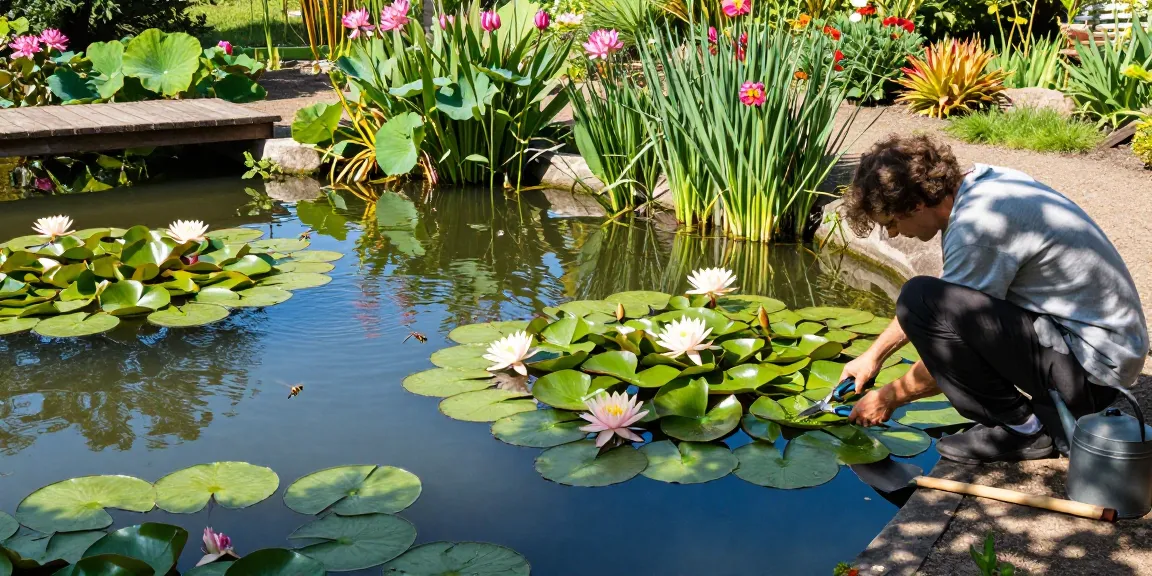
Regular maintenance is essential for flourishing water lilies. Remove any dead or yellowing leaves to prevent decay and maintain water clarity. Fertilize with a slow-release aquatic fertilizer every 4 to 6 weeks during the growing season to support healthy blooms. Additionally, regular water changes can help keep the pond environment balanced.
Dealing with Pests and Diseases
Water lilies can be susceptible to pests such as aphids, spider mites, and snails. Regular inspection and prompt removal of pests are crucial. For diseases like root rot, ensure proper planting depth and avoid overwatering. Utilizing organic pest control methods can help maintain the health of your plants while being safe for the pond ecosystem.
Enhancing Your Garden with Water Lilies
Design Ideas for Incorporating Water Lilies in Landscapes
Water lilies can be a focal point in your landscaping design. Consider planting them in a naturalistic pond surrounded by native plants, or use them in formal, geometric water features for a more structured look. Create layers of interest by combining them with tall grasses or other aquatic plants that vary in height and texture.
Companion Plants That Pair Well with Water Lilies
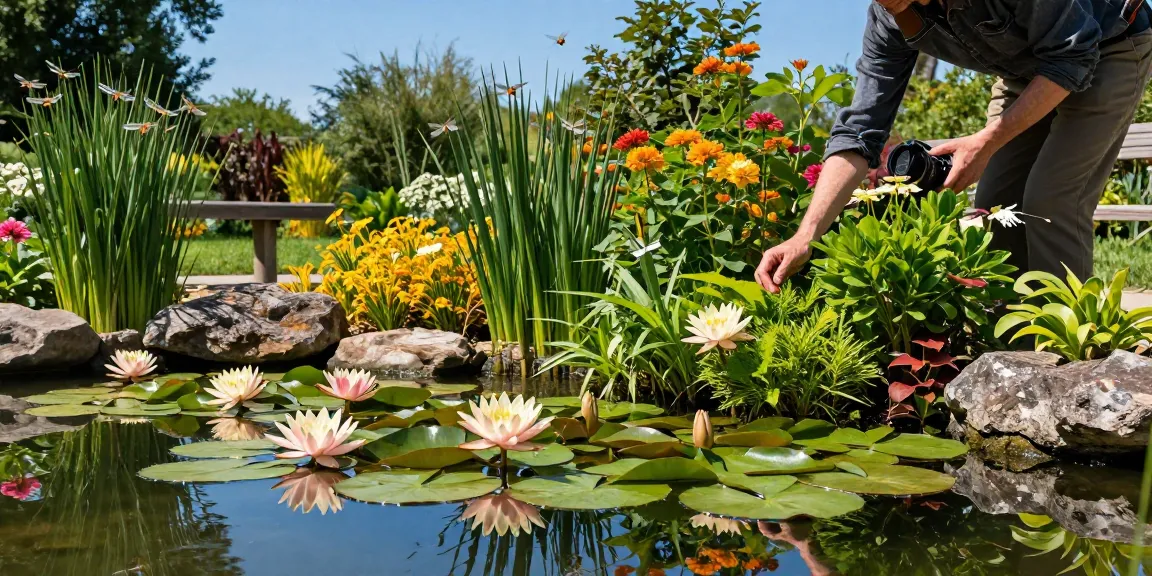
Pairing water lilies with companion plants can enhance their beauty while supporting ecological health. Consider planting marginal plants such as cattails or sweet flag, which provide habitat for beneficial wildlife and improve water clarity. Additionally, submerged plants like hornwort can oxygenate the water and help prevent algae growth.
Creating a Wildlife-Friendly Pond with Water Lilies
Water lilies naturally attract wildlife, including pollinators and fish. To enhance your pond’s ecosystem, incorporate features such as sandy beaches and varying depths, providing habitats for frogs and other amphibians. The right balance of plants will create a thriving biodiversity, enhancing the beauty and function of your water garden.
Future Trends in Water Lily Cultivation
Innovative Techniques for Water Lily Gardening in 2026
The future of water lily cultivation is set to embrace innovative gardening techniques, such as hydroponics and aquaponics, which allow for controlled growing conditions. Vertical gardening methods integrated with water features will become increasingly popular, maximizing space while adding visual appeal.
The Impact of Climate Change on Aquatic Plants
As climate change continues to reshape ecosystems, water lilies may face challenges related to water temperatures and levels. Adaptation strategies such as selecting climate-resilient varieties and employing water conservation techniques will be vital for successful cultivation in changing conditions.
Predictions for the Popularity of Water Lilies in Landscaping
As outdoor living spaces gain prominence, the popularity of water lilies in landscaping is expected to rise. Their aesthetic appeal, alongside ecological benefits, will draw more homeowners and landscape designers to incorporate these plants into various designs. Expect to see an increase in community gardens and public spaces featuring inviting water lily ponds.
What are the best conditions for growing water lilies?
The best conditions for growing water lilies include full sunlight (6-8 hours a day), still water, and nutrient-rich soil. Well-maintained ponds with temperatures between 70°F and 80°F are ideal for thriving plants.
How often should I fertilize my water lilies?
Water lilies typically benefit from fertilization every 4 to 6 weeks during the growing season, using a slow-release aquatic fertilizer to promote healthy growth and vibrant blooms.
Can I grow water lilies in containers?
Yes, water lilies can be successfully grown in containers. Choose a deep pot that allows for sufficient root growth and ensure it has drainage holes. Containers can be placed in ponds, pools, or on patios with adequate sunlight.
What pests should I watch out for with water lilies?
Common pests that affect water lilies include aphids, spider mites, and snails. Regular monitoring and natural pest control methods can help manage their populations effectively.
How do I propagate water lilies?
Water lilies can be propagated through division. In early spring or late summer, carefully lift the tuber from the soil, and separate it into sections, each with a root and a leaf. Replant the sections in suitable conditions for new growth.