
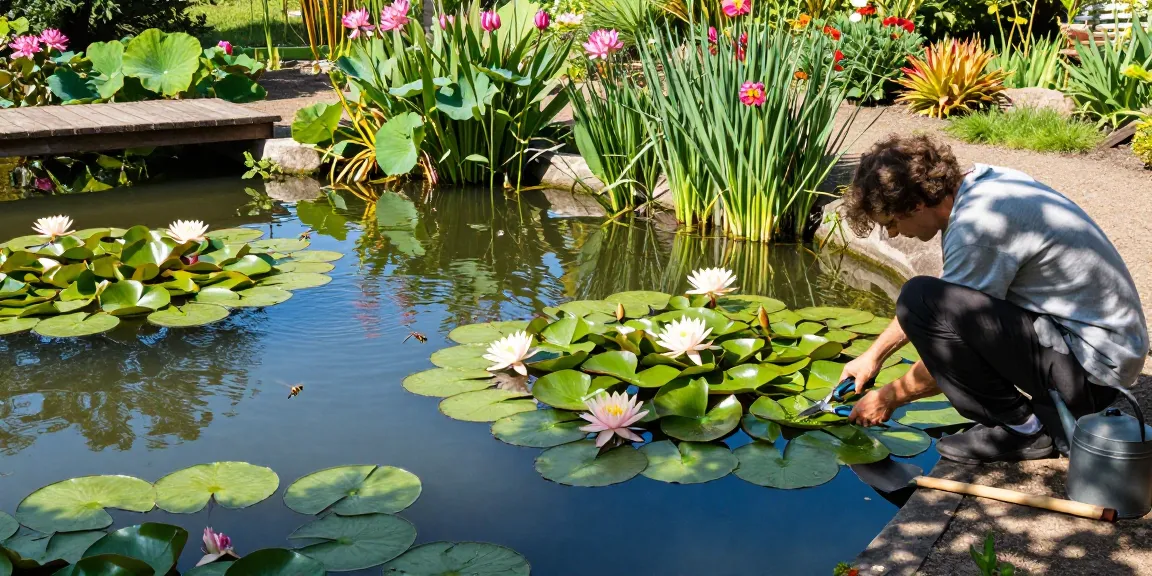
Understanding Water Lilies and Their Role in Aquatic Ecosystems
Water lilies (Nymphaea) are not only beautiful additions to ponds and water gardens; they also play a significant role in maintaining aquatic ecosystems. These perennial plants thrive in freshwater environments, offering shade and shelter for fish and other aquatic life. By understanding their biology, varieties, and the crucial functions they serve in ecosystems, pond enthusiasts can better appreciate and care for these extraordinary plants. For a comprehensive selection of water lilies suited for various pond gardens, consider exploring Water Lilies.
The Biology of Water Lilies
Water lilies are characterized by their large, floating leaves and stunning flowers that bloom on the water’s surface. These plants have a unique structure that includes rhizomes, which anchor them to the pond floor while allowing their leaves and flowers to rise above the water. Each variety can vary significantly in size, color, and growth habits. Their leaves can cover a substantial area of the pond surface, helping to reduce evaporation and providing habitat for aquatic organisms.
Types of Water Lilies and Their Habitats
There are two main types of water lilies: hardy water lilies and tropical water lilies. Hardy varieties, such as the Nymphaea odorata (American white water lily), are ideally suited for cooler climates and can survive winter freezes. In contrast, tropical water lilies, like Nymphaea tuberosa, require warmer temperatures and are often grown as annuals in cooler regions.
These water lily varieties thrive in different habitats, ranging from shallow ponds with ample sunlight to deeper waters where they can adapt to varying light conditions. Understanding the specific needs of each type can aid in proper selection and care.
Ecosystem Functions: Why Water Lilies Matter
Water lilies contribute significantly to aquatic ecosystems. They provide shade for fish, helping to regulate water temperatures and promote a balanced habitat. The leaves also create sheltered spaces for aquatic organisms, such as frogs and insects, enhancing biodiversity. Moreover, they help improve water quality by absorbing excess nutrients, which can prevent harmful algal blooms.
Popular Varieties of Water Lilies for Home Gardens
When considering water lilies for your pond, it’s essential to select varieties that fit your specific environment and aesthetic goals. Several popular options exist, each offering unique attributes that can enhance your aquatic garden.
Choosing the Right Water Lily for Your Pond
Selecting the right water lily depends largely on the size of your pond and the climate of your region. Hardy water lilies are generally recommended for larger ponds, as they can spread effectively and thrive in varying depths. Tropical water lilies, while more vibrant and diverse in color, are better suited for smaller ponds or container gardening, as they may require more care and temperature management.
Seasonal Care and Maintenance Tips
Proper maintenance is vital for healthy water lilies. In spring, after the last frost, it is crucial to check the plants for any damage and remove any dead leaves. During the summer, ensure that the water level remains consistent and that plants are not overcrowded. In fall, trimming back foliage helps prevent decay in the winter months.
Best Practices for Propagation and Planting
Propagation of water lilies can be achieved through division. This process typically occurs every two to three years and involves carefully separating rhizomes from the parent plant and replanting them in suitable pots filled with aquatic soil. Planting depth should correspond to the variety, with hardy types requiring less depth compared to tropical varieties.
Water Lilies and Biodiversity: Enhancing Your Garden’s Habitat
Incorporating water lilies into your pond not only beautifies your space but also enhances the overall biodiversity. By creating a sustainable environment, these plants support a variety of wildlife.
Supporting Local Wildlife with Water Lilies
Water lilies provide critical habitat for local wildlife, from fish to pollinators. Their floating leaves offer resting places for frogs and beneficial insects, while their flowers attract bees and other pollinating species, ensuring a lively ecosystem.
Creating a Balanced Ecosystem with Aquatic Plants
Integrating water lilies with other aquatic plants can promote a balanced ecosystem. For instance, pairing them with oxygenating plants like hornwort and submerged species can enhance water quality, offering both beauty and functionality.
Case Studies: Successful Pond Habitats
Numerous case studies have shown how water lilies can transform a simple pond into a thriving habitat. In community gardens, the introduction of various water lily species led to increased biodiversity, with local wildlife flourishing and enhancing the natural beauty of the area.
Common Challenges in Growing Water Lilies
While water lilies are generally hardy, they can face several challenges that require attention to ensure their health and longevity.
Pest Management for Water Lilies
Common pests that affect water lilies include aphids and snails. Implementing natural pest control methods, such as introducing beneficial insects like ladybugs, can help maintain plant health without harmful chemicals.
Dealing with Algal Blooms
Algal blooms can be a significant problem in ponds where water lilies grow. To mitigate this issue, maintaining proper nutrient levels and ensuring sufficient water circulation can reduce the chances of blooms, allowing your water lilies to thrive.
Understanding Water Quality and Its Effects
Water quality plays a crucial role in the health of water lilies. Regular testing for pH levels, nutrient concentrations, and temperature can help keep the water environment suitable for growth. Using aquatic-friendly treatments can also aid in maintaining optimal conditions.
Future Trends in Aquatic Gardening: Innovations and Sustainability
As we move towards 2026, aquatic gardening continues to evolve with sustainable practices and innovative technologies.
Emerging Technologies for Pond Maintenance
The integration of smart technology in pond maintenance is on the rise. Automated systems for monitoring water quality and controlling temperature can enhance the health of water lilies and promote a sustainable aquatic environment.
Ecological Benefits of Native Water Lily Varieties
Emphasizing native water lily species can significantly benefit local ecosystems. These varieties are often more resilient and better adapted to local conditions, providing essential habitat and food sources for regional wildlife.
Predictions for Water Lilies in 2026 and Beyond
By 2026, water lilies are expected to remain a popular choice for gardeners looking to boost the ecological health of their ponds. As awareness of the importance of biodiversity grows, more gardeners will likely incorporate water lilies into their aquatic gardens as foundational plants.
How to Attract More Visitors to Your Aquatic Garden?
Creating an inviting environment around your pond can attract visitors. Consider incorporating walking paths, seating areas, and signage that explains the benefits of water lilies and other aquatic plants to enhance visitor engagement.
What are the best environmental practices for maintaining a pond with Water Lilies?
Best practices include regular maintenance checks, controlling nutrient levels, and fostering a diverse plant community. These practices not only help maintain water lily health but also contribute to a balanced ecosystem.
Can Water Lilies help improve pond water quality?
Yes, water lilies can improve pond water quality by absorbing nutrients and providing shade that reduces algae growth. Their presence plays a critical role in maintaining a healthy aquatic environment.
What are the most resilient Water Lily species for pond gardening?
Species such as Nymphaea ‘Perry’s Double Yellow’ and Nymphaea ‘Black Prince’ are known for their resilience and adaptability to various conditions, making them excellent choices for pond gardening.
How do Water Lilies interact with other aquatic plants?
Water lilies often coexist well with other aquatic plants, providing shade and habitat while benefiting from the oxygen and filtration provided by submerged species. This interaction contributes to a balanced ecosystem that supports diverse wildlife.